How to pick a solo founder accountability group that actually makes you ship
Most accountability groups fizzle out after two weeks of polite check-ins. Here is what makes a solo founder accountability group actually work — and how to pick one.
Why most solo founder accountability groups die in week three
If you have ever joined a solo founder accountability group, you already know how the story usually ends. Week one is electric: everyone introduces their SaaS idea, shares a Notion roadmap, and promises to post daily updates. By week three, half the channel is silent, the remaining posts are vague one-liners like 'worked on refactoring', and nobody has shipped a single checkout page.
That collapse is not a willpower problem — it is a design problem. When a group relies on polite async text check-ins and has no real rhythm, no shipping deadline, and no consequence for disappearing, the loudest voice in the room is always procrastination.
An accountability group without a clock and a shipping bar is just a group chat where everyone enables each other to stay in build mode.
Five things a real solo founder accountability group needs
Before you join another mastermind or Discord server, check whether it has the mechanics that actually move a solo founder from local dev to paying customers:
- A capped, active roster: In a 5,000-member server nobody notices if you vanish for a month. A small, capped group where inactive seats rotate out ensures everyone around you is actively shipping right now.
- Short live voice stand-ups instead of async walls of text: Speaking out loud for a few minutes about what you shipped and what you are finishing next creates real social gravity that a muted #daily-wins channel never matches.
- Objective shipping milestones: 'Made progress' is not a milestone. A live product on its own domain with a working checkout flow and a dated changelog is.
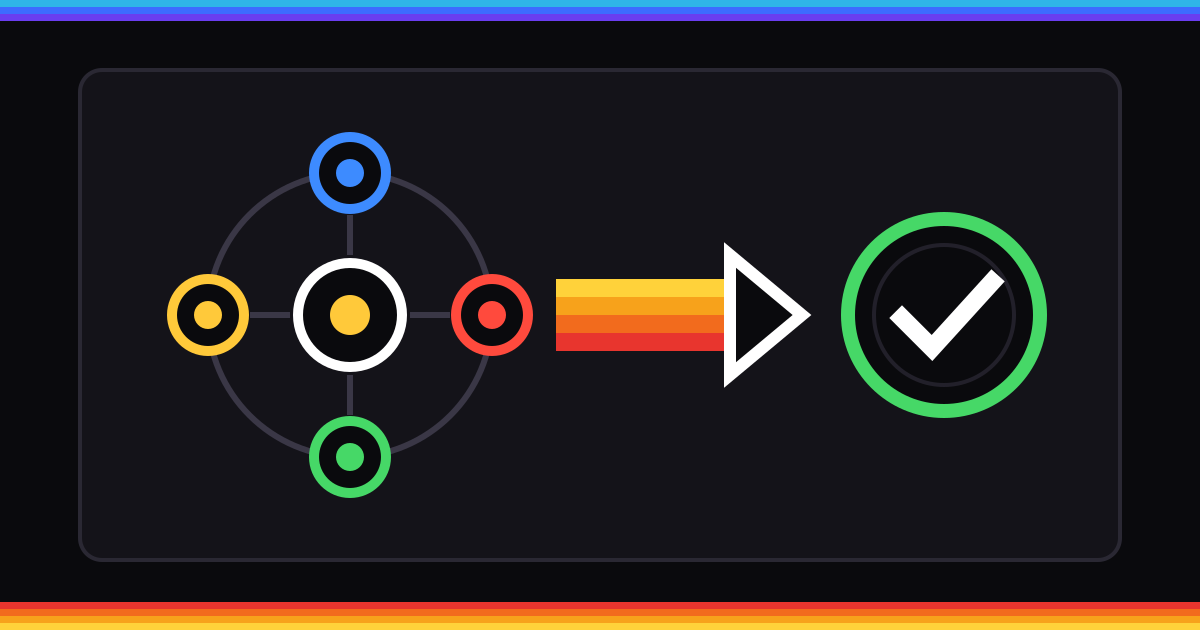
- Peer verification on every launch: Having fellow founders actually click through your landing page, pricing, and signup flow catches broken onboarding before real customers hit it — and proves the launch is real.
- Time-zone coverage that fits solo founders worldwide: If the only weekly call is at 3 a.m. your time, you will miss twice and quit. Daily slots spread around the clock remove the scheduling excuse.
1-on-1 accountability partner vs. a small founder group
Many solo founders start by looking for a single accountability partner. That works great — right up until your partner gets sick, takes a client gig, pivots, or quietly ghosts. The moment one person drops out, your entire accountability system vanishes overnight.
A structured solo founder accountability group solves that single point of failure. Even when one member takes a planned pause or graduates, the stand-up clock keeps ticking, the room stays full of builders at your pace, and you always have peers ready to review your next release.
How shippibilitybuddies works as a solo founder accountability group
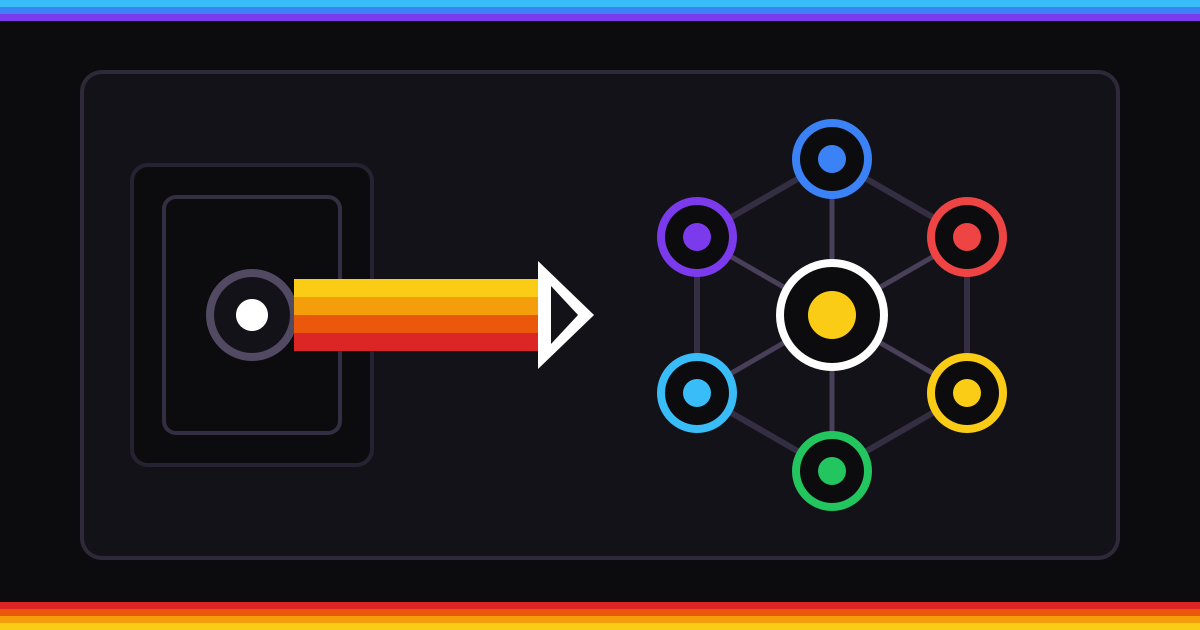
We built shippibilitybuddies specifically to fix the failure modes above. The entire community is capped at 165 active seats across four color-coded shipping paces:
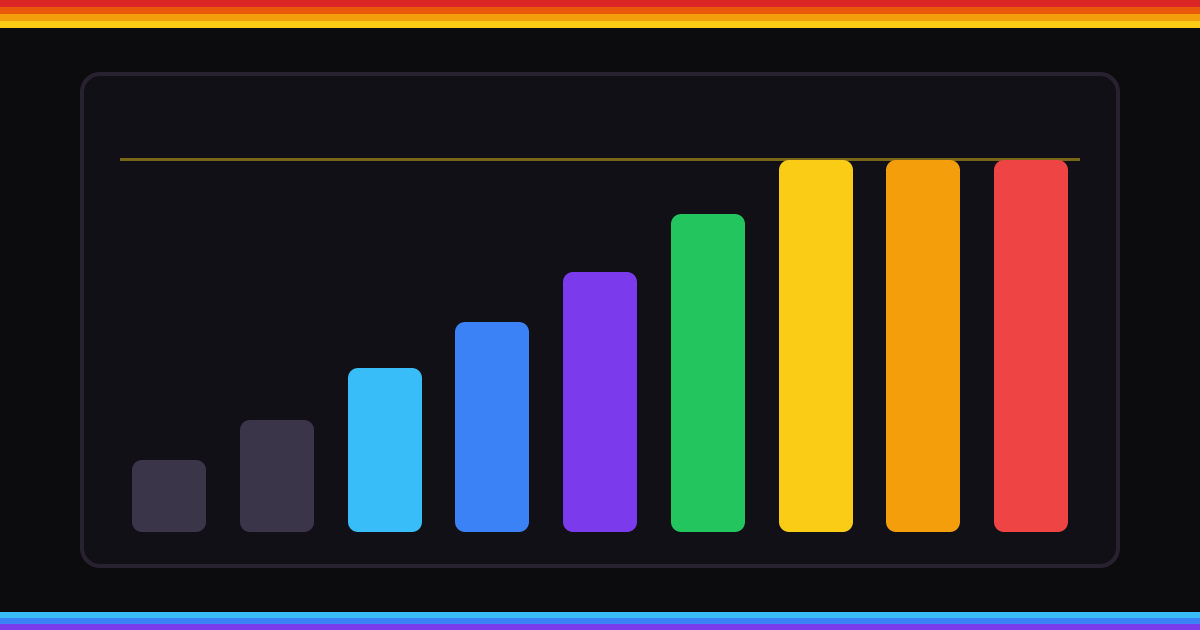
- Blue & Red (free seats): 12 paid SaaS apps a year — one live launch every 30 days, with friendly team rivalry.
- Yellow (9/year) & Green (6/year): Steadier cadences for founders balancing deeper builds or part-time schedules, with the exact same stand-up and verification standards.
- Four daily voice stand-ups (00, 06, 12, and 18 UTC): Run by our Discord bot so solo founders in San Francisco, Amsterdam, or Singapore can check in at least once every 4-day window.
- Peer-verified launches and public directory pages: Every shipped app gets verified by fellow founders and listed with a clean public product page, all the way until you graduate into the Hall of fame at three consecutive months of $10k MRR.
Stop relying on willpower alone
Building solo does not mean building in isolation. The right solo founder accountability group turns shipping from a fragile burst of motivation into a predictable weekly habit.