20% building, 80% selling is the next meta in software
When anyone can build a working app in days, code stops being the moat. Why 20% building and 80% selling is the most effective tactic available.
Why the software meta just flipped
In competitive games, 'meta' stands for the Most Effective Tactic Available. For twenty years in software, the meta was 80% building and 20% selling. Writing reliable software was slow, expensive, and scarce — so getting a working product online was half the moat.
That era is over. Between AI coding agents, hosted auth, instant Postgres, and one-line deploys, a solo founder can build a clean, working SaaS in days. When anyone can replicate your feature set over a weekend, code stops being the advantage. Distribution, positioning, and customer conversations become the whole game.
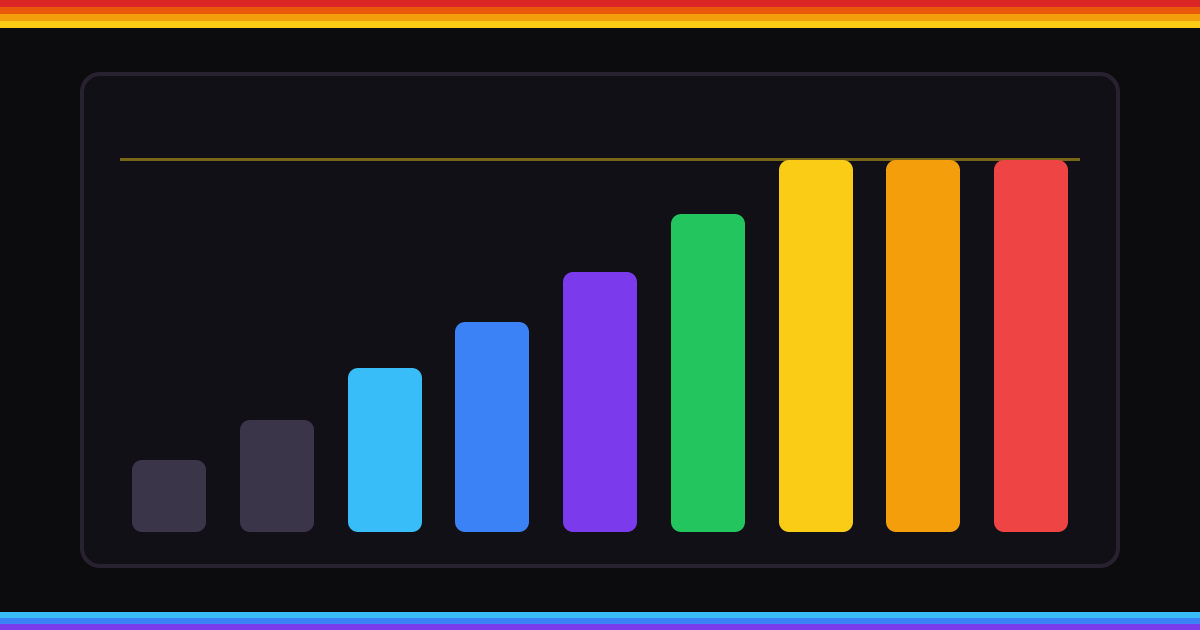
When code becomes abundant, distribution becomes the product. The new meta is 20% building and 80% selling.
Why most developers still default to 80% building
Even founders who know distribution matters still spend most of their week inside their editor. The pull back into code is strong:
- Building feels productive and predictable: Tests pass, layouts snap into place, and nobody ignores your message.
- Selling exposes you to silence and rejection: Outreach, demos, content, and pricing calls give you blunt market feedback immediately.
- Adding a feature feels easier than fixing a weak offer: When nobody buys, builders instinctively open VS Code instead of talking to five prospective users.
- Old habits linger: Most indie hackers still spend three weeks polishing features and two days dropping a link online.
What 20% building, 80% selling looks like in a 30-day cycle
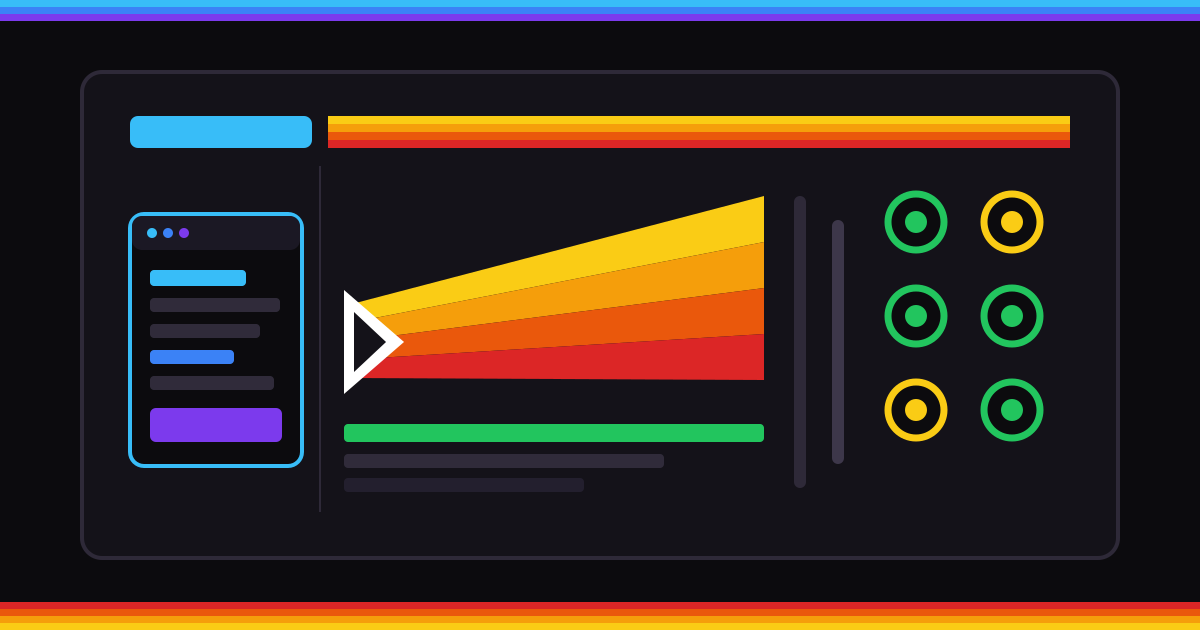
Flipping the ratio does not mean shipping broken software. It means scoping tightly enough that v1 ships in days, then dedicating the rest of the month to getting paid:
- Days 1–6 (the 20% build): Lock a single painful workflow, build the core screen end to end, wire up live Stripe Checkout, and deploy to production.
- Days 7–14 (first wave of selling): Put the live URL directly in front of buyers — targeted outreach, communities where the pain is discussed daily, short demo videos, and live calls.
- Days 15–22 (listen and sharpen): Only open the codebase to remove friction real users hit before paying. Rewrite your headline and pricing using the exact language buyers use.
- Days 23–30 (measure and decide): Look at verified net revenue and distinct paying customers. If a channel pulls, double down; if the market shrugs, move on to your next ship.
How to stop drifting back into pure coding
Left alone in a private room, almost every technical founder slides back to 95% coding within two weeks. External accountability is what keeps you on the selling side of the split.
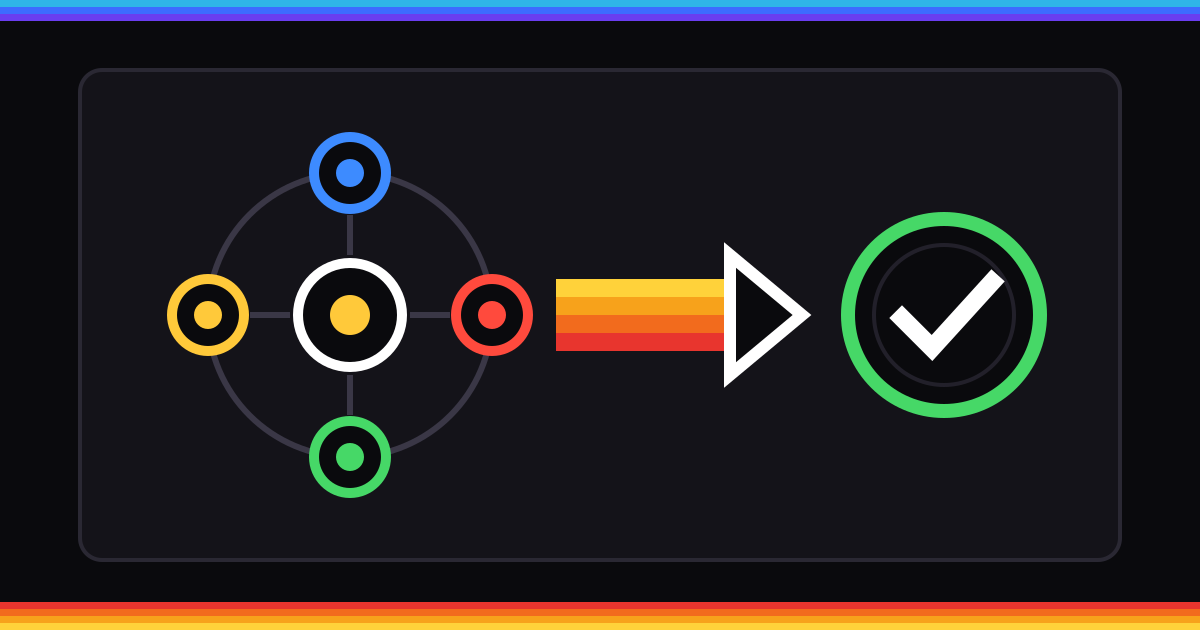
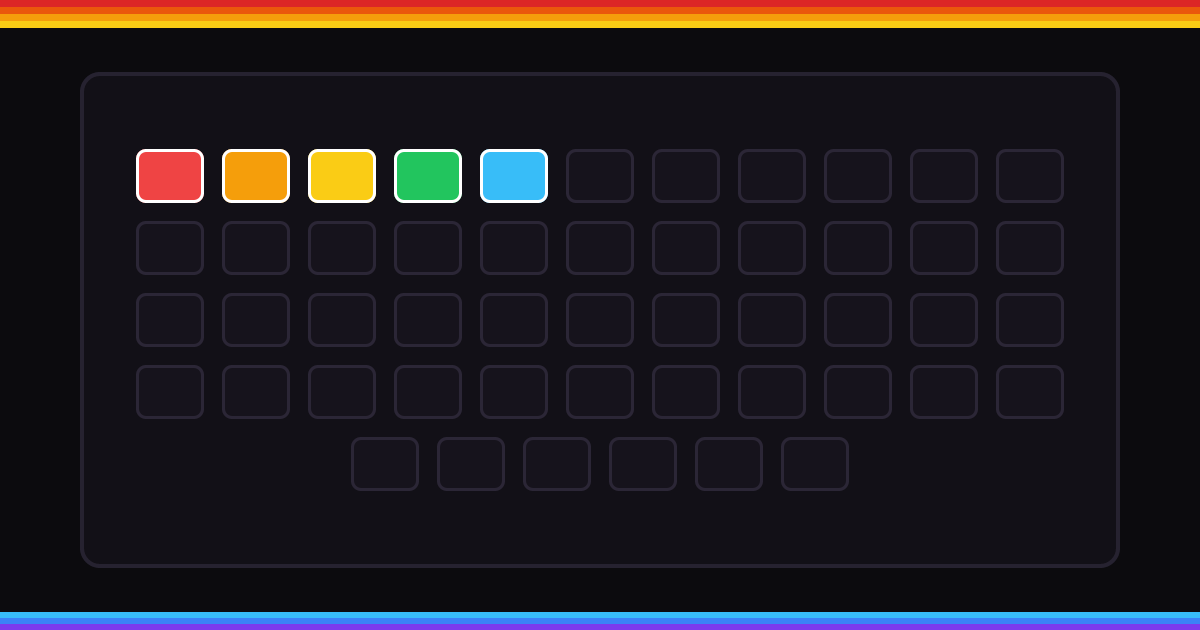
Inside shippibilitybuddies, daily voice stand-ups across every time zone make it obvious when you have spent four days tweaking CSS instead of talking to users. Every ship requires two-founder peer verification on a live checkout, and verified Stripe revenue tracking keeps all 165 seats focused on what actually moves the needle toward $10k MRR.
Flip your ratio on your next ship
On your next product, cap the initial build at one week — or a single weekend — and commit the remaining three weeks to putting that checkout link in front of real buyers every single day.